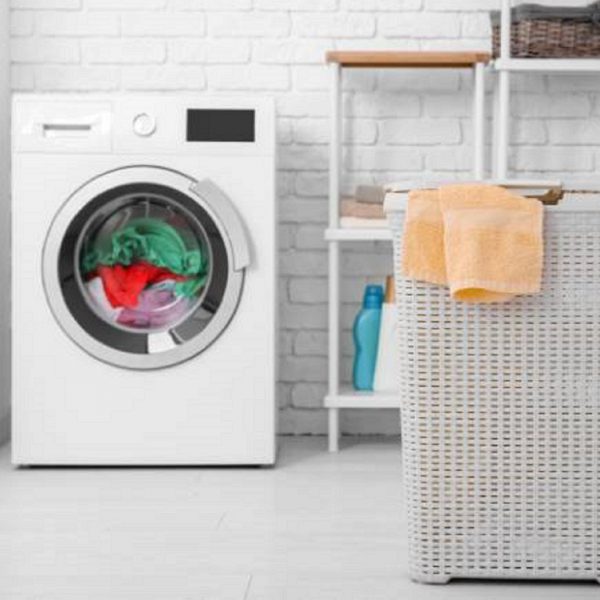
Whether you’re looking to keep your athletic wear looking and smelling great or making sure your white shirts look their whitest when you go back out into the world, there’s a laundry detergent to help. Choosing a laundry detergent used to be picking a liquid or powder. Now there are...

Want to Avoid Colds and Flu? Read This.
Most germs are spread through the air through coughing, sneezing and even breathing. And, of course we know that germs can be transferred from person to person through contact (think handshakes, kisses, and hugs). And as the holidays approach, we’ll be doing a lot of hugging and kissing. Keep the...
How to Spot Junk Science
Today is National S.T.E.A.M. Day – time to inspire kids to focus on the fields of Science, Technology, Engineering, Art and Math. Since so much science is involved in the formulation and evaluation of the cleaning products we use, the American Cleaning Institute wants to help children of all ages...
A Tribute to Soap
The history of soap dates back to Ancient Babylon. (A medical document from about 1500 BC describes combining animal and vegetable oils with alkaline salts to form a soap-like material used for treating skin diseases, as well as for washing!) For thousands of years, technologies have evolved to create the soaps...
Cleaning Product Ingredient Info: Solvents
One of the many ingredients in cleaning products are solvents. Solvents are ingenious, actually. These amazing chemicals help give cleaning products the right thickness and help other ingredients stay mixed. They can also help prevent liquid products from freezing in cold climates. Want to learn more about solvents and the...
Fun and Games with Surfactants!
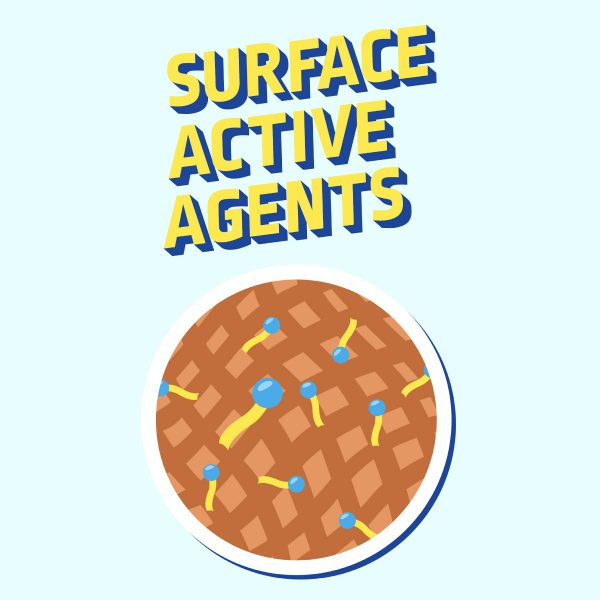
In cleaning, surfactants – short for surface active agents – are a group of chemicals that change how water behaves, so that we can clean more effectively and efficiently. Surfactants reduce water’s surface tension, meaning that droplets won’t simply bead up on countertops, clothes, and dishes, but will spread out...
What’s that ingredient?
According to ACI’s most recent National Cleaning Survey, half of us have researched a cleaning product ingredient at one time or another. If you ever wanted to know more about ingredients beyond what’s on the label, there is an app for that (and website), called SmartLabel. SmartLabel, an initiative by...
How Cleaning Works
Did you know that cleaning takes three kinds of energy? Check out ExplorationClean.org to find out how cleaning works, including how the different types of energy work together to get your favorite things clean.
Full STEAM Ahead Day
How does the cleaning process work? Today, which just happens to be STEAM (science, technology, engineering, arts, and math) Day and the perfect time to ask that question! And we have the answer at ExplorationClean.org! Created for the big minds of little kids but fun for everyone, this site talks...
How and Why Does Soap Bubble?!
Ever wonder why soap bubbles and foams? So have a lot of other people! Here are links to a variety of sources for explanations – from MIT to an eighth grader! There are even some tips on making your own bubbles. Enjoy! http://web.mit.edu/nnf/education/wettability/bubbles.html https://www.homesciencetools.com/article/how-to-make-super-bubbles-science-project/ https://health.howstuffworks.com/skin-care/cleansing/products/soap-foam.htm Share the fun! Get the...