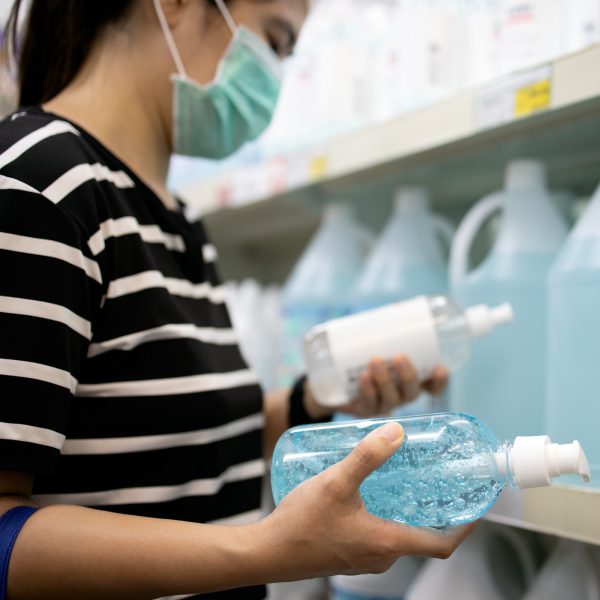
Hand sanitizers are useful for killing germs, especially when soap and water are not readily available. Due to the current pandemic, there are many more brands of hand sanitizer for sale these days in an effort to meet demand. How do you choose one that will work for you and...


Want to Avoid Colds and Flu? Read This.
Most germs are spread through the air through coughing, sneezing and even breathing. And, of course we know that germs can be transferred from person to person through contact (think handshakes, kisses, and hugs). And as the holidays approach, we’ll be doing a lot of hugging and kissing. Keep the...

How to Spot Junk Science
Today is National S.T.E.A.M. Day – time to inspire kids to focus on the fields of Science, Technology, Engineering, Art and Math. Since so much science is involved in the formulation and evaluation of the cleaning products we use, the American Cleaning Institute wants to help children of all ages...
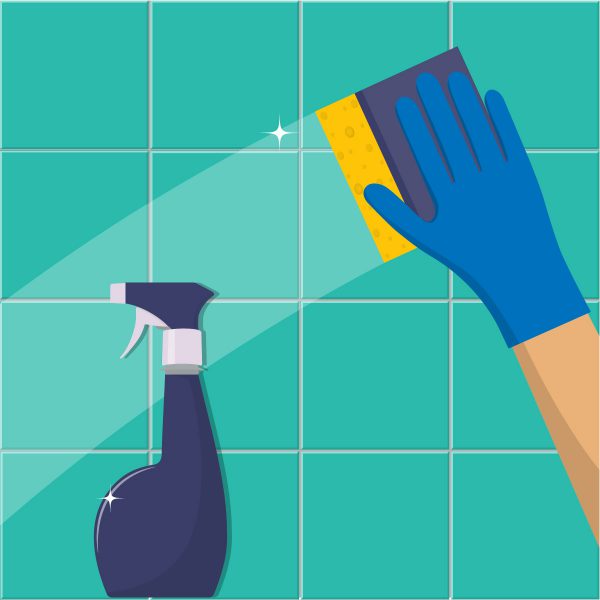
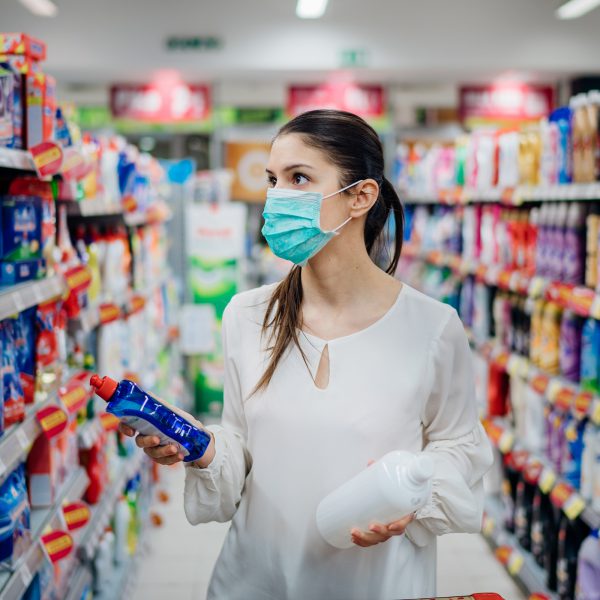
What exactly are antibacterial disinfectants, anyway?
In a nutshell, antibacterial disinfectants help kill germs on the surfaces in our homes. They’re pretty easy to recognize because their labels say they disinfect, kill bacteria or sanitize. Their active ingredients and formulations go beyond simple cleaning. They kill or control the growth of microorganisms, including food borne bacteria...
A Tribute to Soap
The history of soap dates back to Ancient Babylon. (A medical document from about 1500 BC describes combining animal and vegetable oils with alkaline salts to form a soap-like material used for treating skin diseases, as well as for washing!) For thousands of years, technologies have evolved to create the soaps...